Technical Delivery Dossier

Production-Grade Game Development

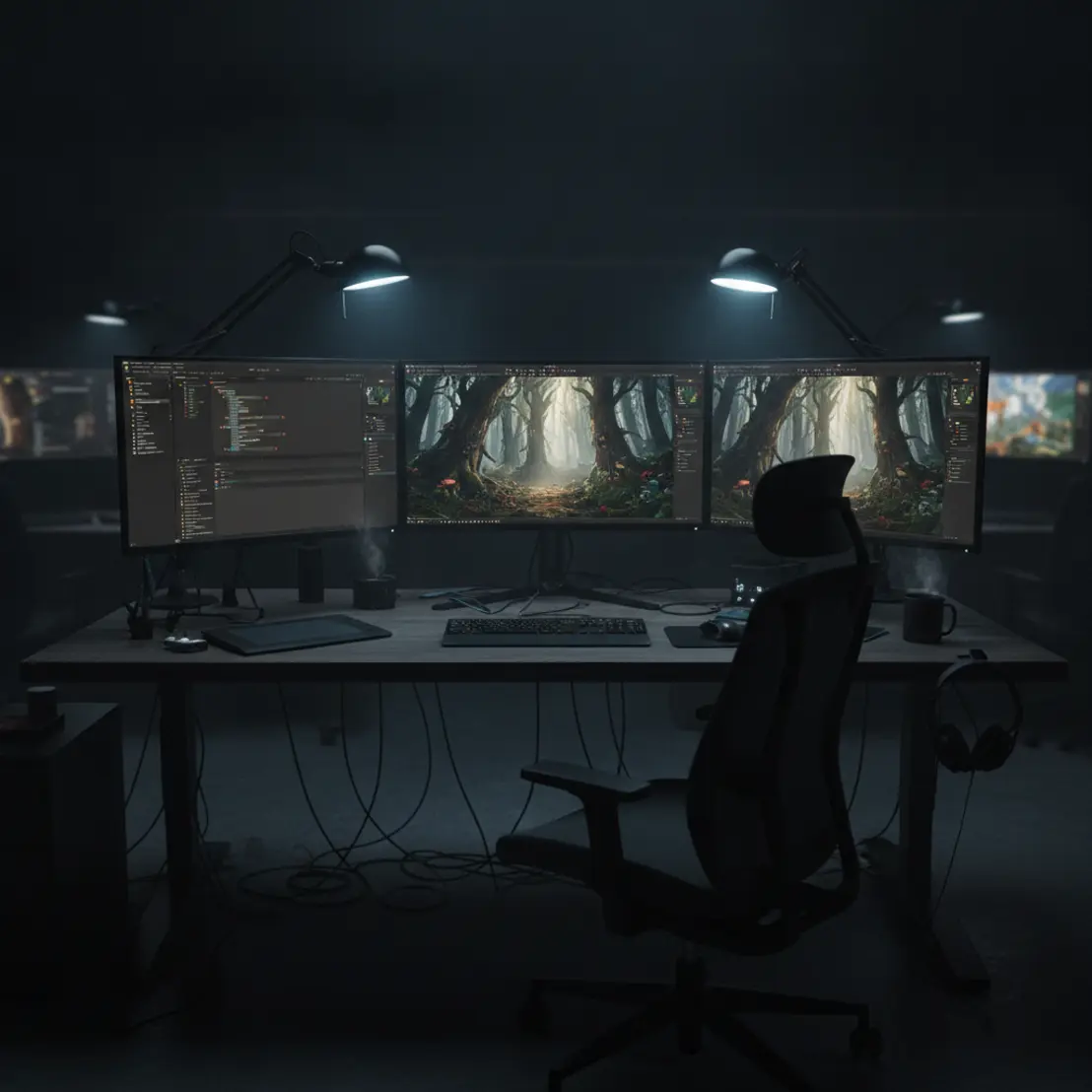
We integrate senior engineering, art, and QA pods directly into your production timeline. From Unreal Engine prototyping to multiplayer live ops, we deliver stable, high-performance game experiences.

Unreal 5 & Unity Engine Expertise
Senior Pod Integration

Our Proprietary Development

We don't just act as a partner; we independently develop and launch our own software and game projects. Our team possesses the complete technical expertise to build successful products from the ground up to release.

View Our Projects
Our Proprietary Development

Production Pipeline

Our agile sprint integration ensures transparent progression from concept to live-ops.

01

Discovery & Prototyping

Technical feasibility, core loop validation, and initial architecture planning.

02

Vertical Slice

A highly polished playable segment demonstrating visual and mechanical targets.

03

Full Production

Scaled asset creation, systems implementation, and continuous integration loops.

04

QA & Optimization

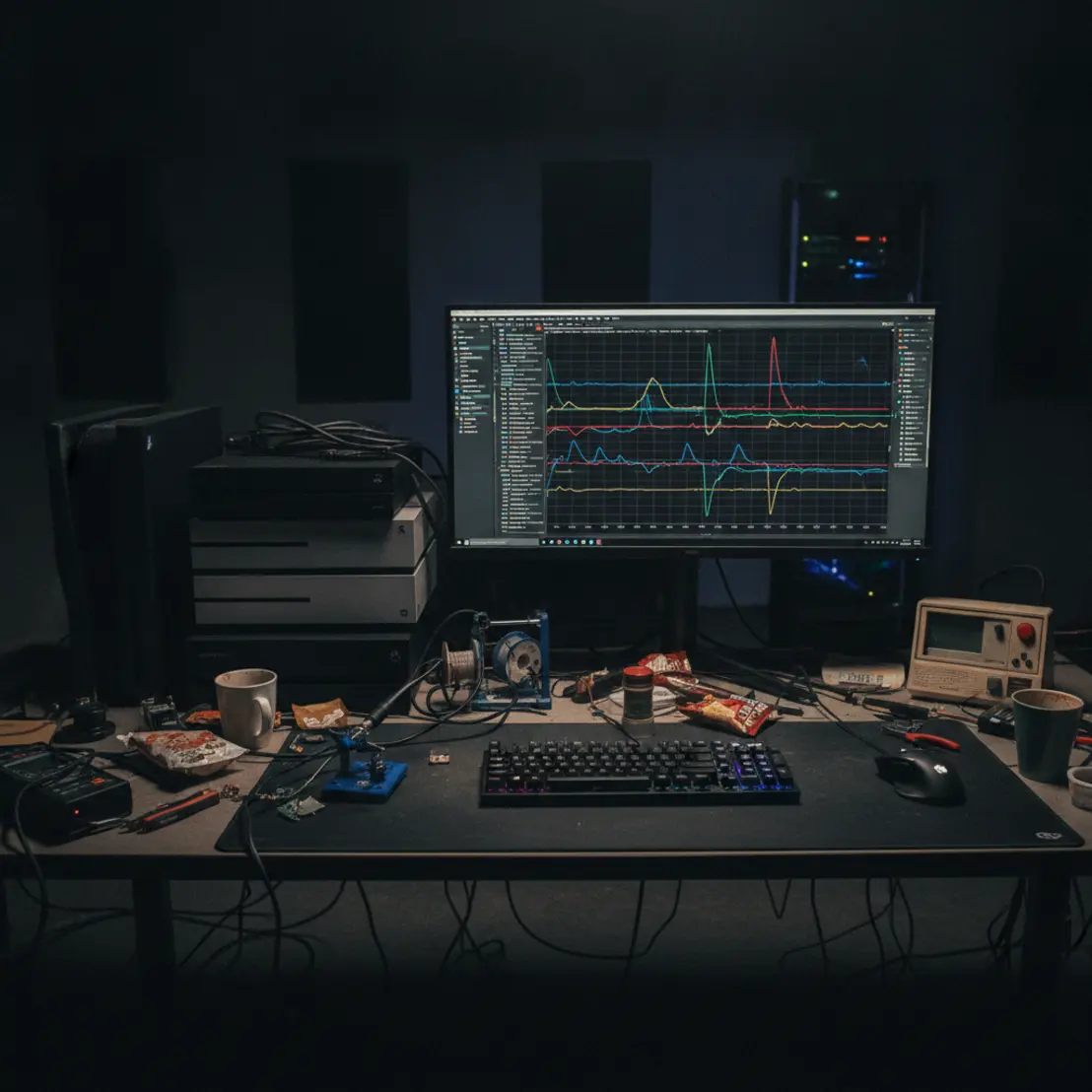
Aggressive memory management, TRC/XR compliance, and performance profiling.

05

Release & Live Ops

Deployment, monitoring, scaling backend infrastructure, and content patching.

Delivery Model Matrix

Compare engagement structures to find the right operational fit.

Model
Typical Scope
Team Composition
Best For
Full-Cycle Build
End-to-end (GDD to Launch)
Autonomous cross-functional pod
Publishers scaling portfolio quickly
Co-Development Pod
Specific game systems/levels
Integrated engineers/artists
Studios needing sprint velocity
Porting Squad
Platform translation & TRC
Low-level systems experts
Expanding addressable market
QA & Certification Bench
Alpha to post-launch regression
Analysts & automation engineers
Risk mitigation prior to master

Client Delivery Notes

Post-mortem evaluations from recent production engagements.

"The Full-Cycle Game Development pod operated as a true extension of our publishing arm. Their ability to manage the entire pipeline from vertical slice to launch without requiring micro-management was critical."

Lead Producer, Global Publisher

"We engaged the Unreal PC/Console Prototype team to validate our core combat loop. Their technical directors delivered a high-fidelity slice in Unreal Engine 5 that secured our internal greenlight."

Studio Head, Action RPG Developer

"The aggressive memory management executed by the Porting & Optimization Squad saved our Switch release. Their engineers understood low-level APIs better than our internal team."

Technical Director, Indie Studio

"Our launch stability was entirely thanks to the Multiplayer Backend & Live Ops infrastructure integration. They built a custom matchmaking solution that scaled flawlessly."

Lead Engineer, Competitive Shooter

"The Game Art & Animation Pod delivered environments that matched our exact technical budgets in Maya and Substance, ensuring perfect integration into our proprietary pipeline."

Art Director, Action Adventure Title

QA & Certification Standards

Rigorous risk mitigation to guarantee stability and first-pass platform certification.

Device Coverage Lab

Testing across hundreds of mobile devices, specific PC configurations, and all console devkits.

Build Verification

Automated smoke tests integrated into daily CI/CD pipelines to catch fatal errors instantly.

Platform Compliance

Strict adherence to TRC (Sony), XR (Xbox), and Lotcheck (Nintendo) guidelines before submission.

Destructive Testing

Edge-case probing, memory leak hunting, and save-state corruption analysis.

Regression Sweeps

Comprehensive tracking in TestRail and Jira to ensure fixed bugs stay fixed.

Network Load Testing

Simulating concurrent user spikes to validate backend matchmaking and server stability.

Client Decision Guide: Procuring Technical Game Production Services

A comprehensive resource for founders, studio heads, and publishing directors on evaluating co-development partners, mitigating technical risks, and selecting the right engineering capability.

Navigating the Co-Development Landscape

Choosing a game development studio team is a critical decision that impacts the technical foundation, visual fidelity, and ultimate commercial viability of your title. The modern game production environment demands specialization. Whether you are building a vast open-world RPG in Unreal Engine 5 or a highly optimized mobile strategy game in Unity, the core challenge remains the same: scaling production capacity without sacrificing codebase integrity or artistic vision.

At Elegance Quest Studios, we operate as a premium B2B technical delivery dossier. We do not provide generic staffing; we integrate highly cohesive, senior pods into your existing pipeline. This guide outlines how to evaluate our capabilities and structure a successful production engagement.

Evaluating Delivery Models

Before reviewing specific service profiles, it is essential to determine the structural needs of your project. We offer several distinct delivery models to accommodate different phases of game development:

Full-Cycle Development

For publishers or IP holders looking to greenlight a project without managing internal studio overhead. Our Full-Cycle Game Development pod handles everything from initial GDD and discovery through vertical slice, full production, and final master submission. This model relies on an autonomous, cross-functional team of engineers, technical artists, and QA analysts.

Co-Development Integration

For established studios needing targeted velocity. This model integrates our specialists directly into your sprint cycles. Whether you need a Unity Mobile Game Team to handle aggressive optimization or an Game Art & Animation Pod to scale asset creation, our teams adapt to your proprietary tools and version control systems.

Publisher Due-Diligence Prototyping

For founders validating core mechanics to secure funding. Our Unreal PC/Console Prototype service deploys technical directors to build rapid, high-fidelity playable slices that prove the fun and technical feasibility early in the lifecycle.

Technical Risk Mitigation Strategies

Game development is inherently risky. We mitigate these risks through rigorous technical pipelines and transparent communication. When evaluating a co-development partner, consider the following technical vectors:

  • Engine-Specific Architecture: Generalist knowledge is insufficient. A project requires deep understanding of the engine's rendering pipeline and garbage collection. Our Technology Hub details our specific competencies in Unity URP/HDRP, Unreal Engine Blueprints/C++, and custom netcode.
  • Platform Compliance: Console certification is grueling. Engaging a dedicated Porting & Optimization Squad early ensures your architecture supports memory constraints and specific TRC/XR compliance requirements.
  • Scalable Infrastructure: A successful launch can be ruined by backend failure. Our Multiplayer Backend & Live Ops engineers architect scalable AWS/Azure solutions to handle concurrent user spikes deterministically.
  • Uncompromising Quality Assurance: The QA Playtesting & Certification pod must be integrated early, utilizing both automated smoke tests and manual destructive testing across comprehensive device labs.

Comparing Studio Service Profiles

To assist in your decision-making, our Capabilities Catalog provides detailed service profiles. When comparing these capabilities, review the following parameters outlined in each profile:

Parameter Evaluation Criteria
Scope / Division Range Ensure the pod operates within your required project phase (e.g., Pre-production, Alpha, Beta, Post-Launch).
Engine & Platform Fit Verify technical alignment with your chosen toolchain (Unity, Unreal, PC, Console, iOS, Android).
Team Model / Level Assess the seniority and composition of the pod (e.g., Technical Directors, Low-level systems engineers, Senior Animators).
Delivery Cadence Review the schedule summary to understand milestone deliverables (e.g., Greyboxing, Vertical Slice, Codebase audit).

Project Inquiry Checklist

Before submitting a project inquiry via our Plan a Project form, we recommend gathering the following information to facilitate a rapid and accurate scoping process:

  1. Design Documentation: A high-level pitch deck, GDD, or core loop description. For Technical Game Design Support, outline the specific systems or economies requiring architecture.
  2. Technical Stack: Engine preference, target platforms, and backend requirements.
  3. Current Project Phase: Clearly define whether you are in discovery, pre-production, active production, or nearing beta.
  4. Resource Gap Analysis: Identify the specific disciplines missing from your internal team (e.g., networking, technical art, QA).
  5. Timeline & Milestone Targets: Proposed dates for vertical slice, alpha, beta, and commercial launch.
Ready to Discuss Technical Delivery?

Our production leads are available to review your brief and propose a structured engagement model.

Review Capability Catalog Read Full Production Guide

Project Inquiry FAQ

Common questions regarding our engagement models and communication rhythms.

We operate strictly as a co-development and work-for-hire studio. Clients retain 100% of IP rights, source code, and assets upon milestone completion and payment. We sign standard mutual NDAs before any project discovery calls.

For co-development pods, we typically integrate directly into your Jira/Confluence environment. We align with your existing sprint schedules (usually 2-week cycles), participating in daily standups and sprint planning as required.

We offer both, depending on the engagement model. Prototypes and defined porting projects can often be fixed-bid against milestones. Ongoing co-development, live-ops, and QA integration are typically structured as dedicated retained pods.